
Tomebuy Spreadsheet Signal Book
An independent reference for shopping through Tomebuy. Start with the search box, then find the page that matches whatever just happened in your account: a status word, a number on a bill, a batch of photos, or two Tomebuy pages that quietly disagree.
Plain descriptions beat maker names: fabric, cut, colour, use.
Sixteen shelves, browse by category
Each tile opens a live category of real listings. Tomebuy itself does not sell anything directly; these are the products a Tomebuy order would be built around.
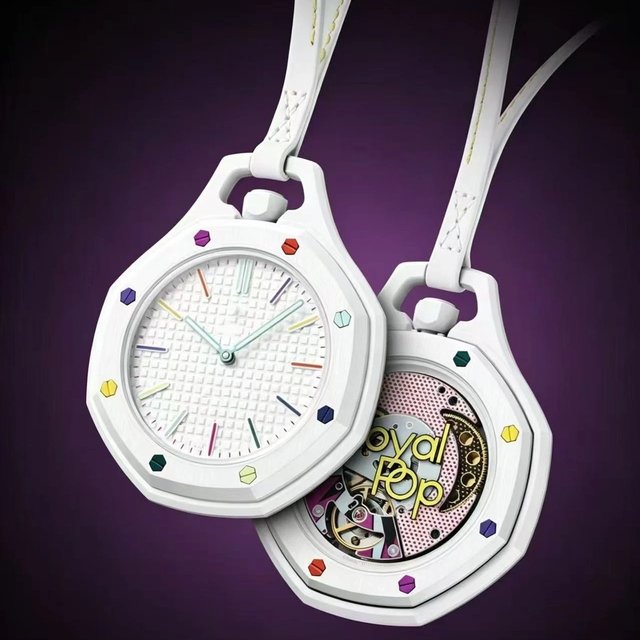 Watches
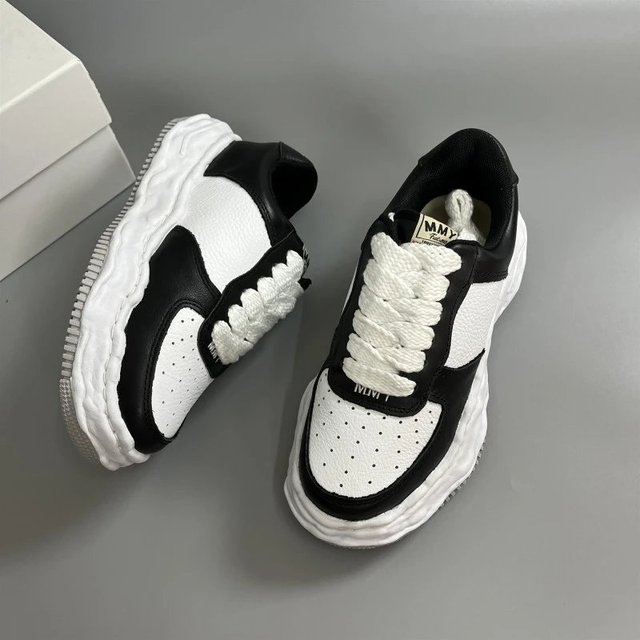 Sneakers
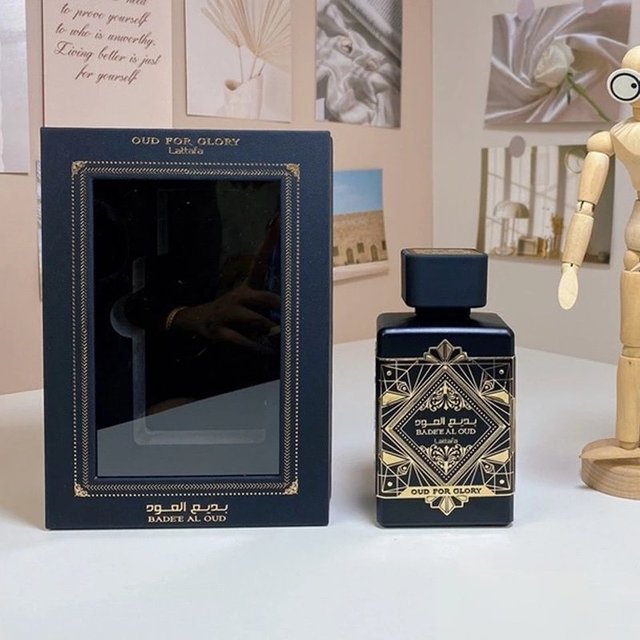 Perfume
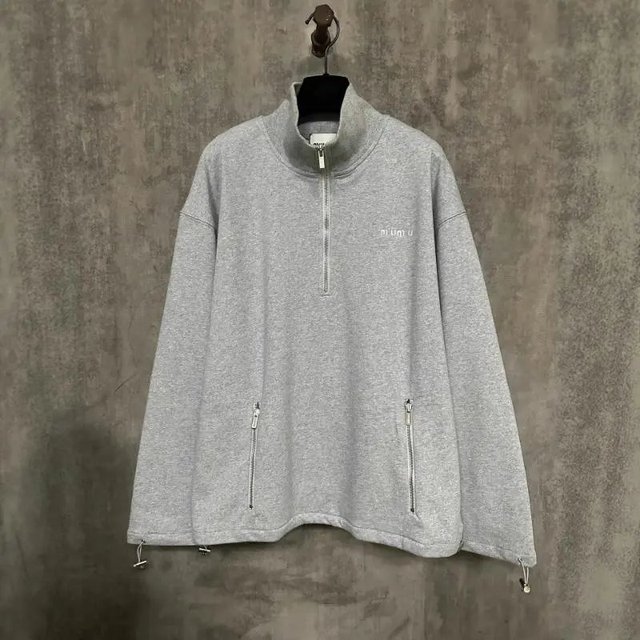 Hoodies
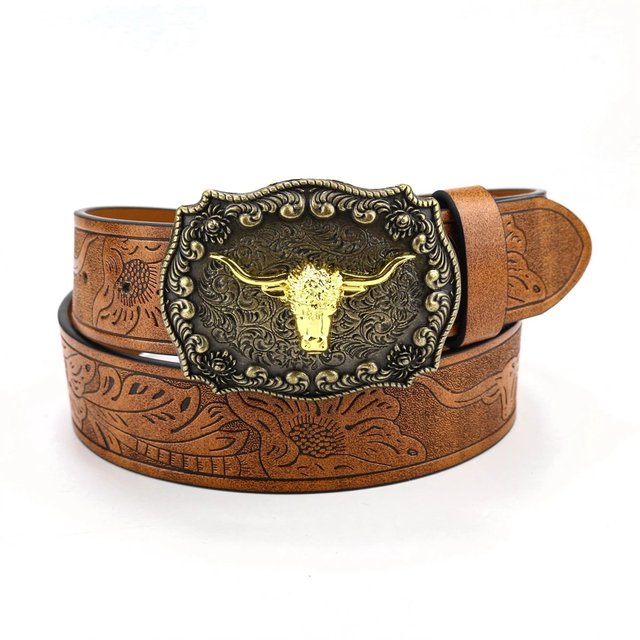 Belts
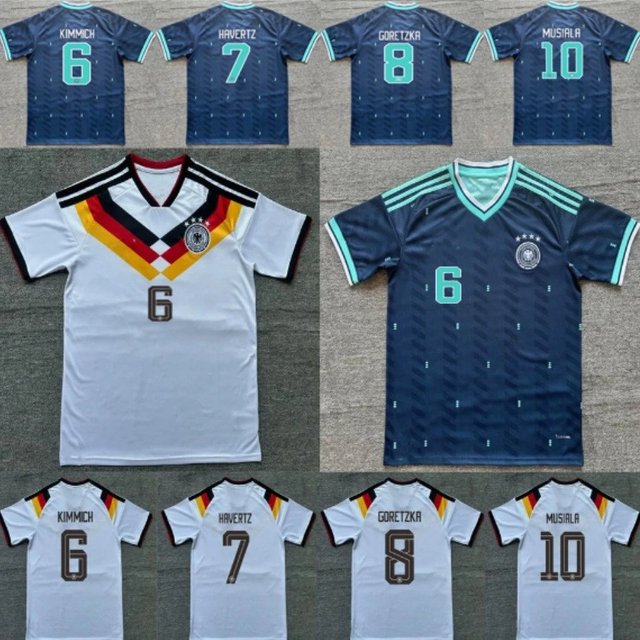 Jerseys
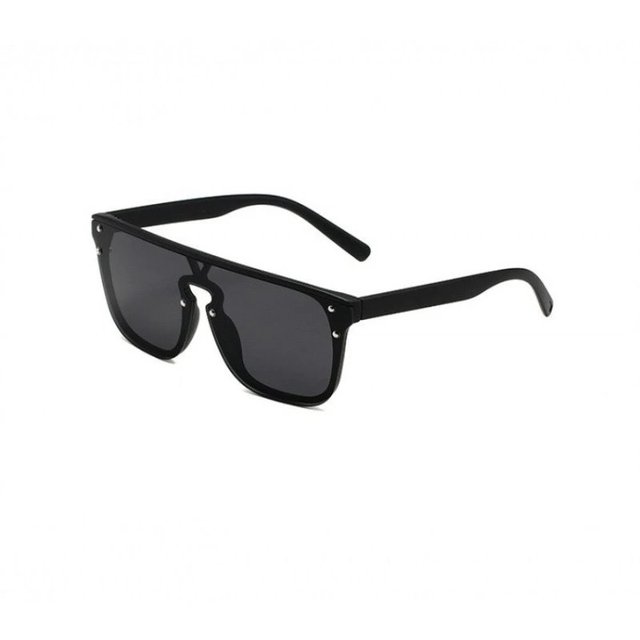 Eyewear
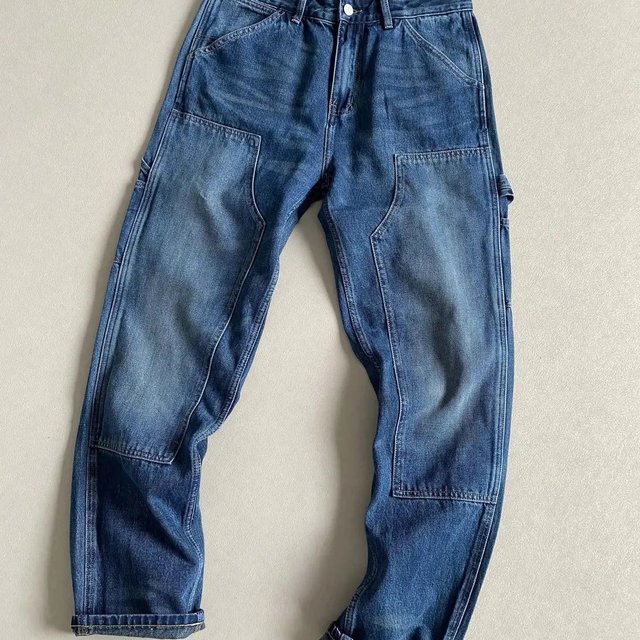 Jeans
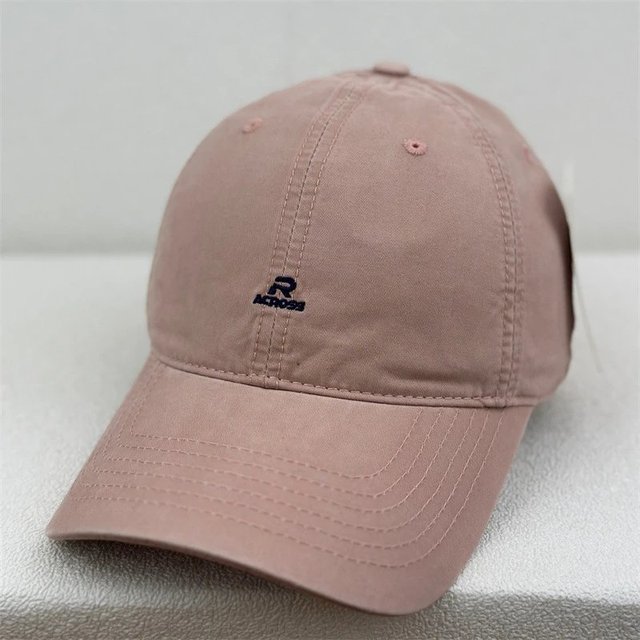 Hats
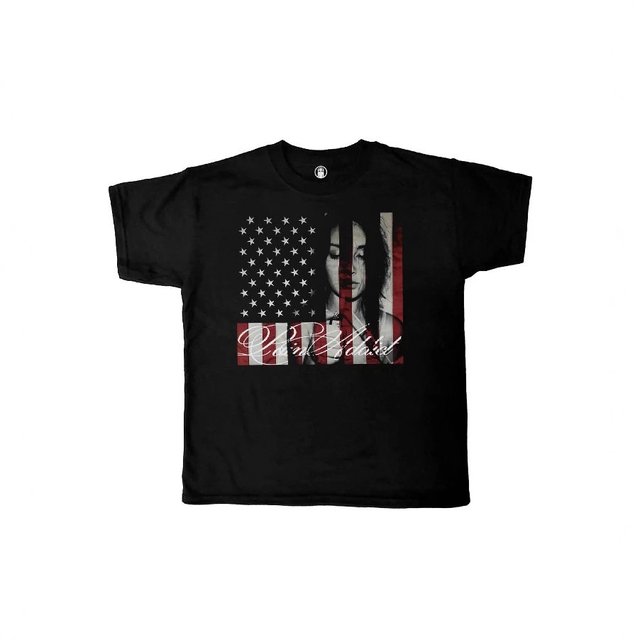 T-Shirts
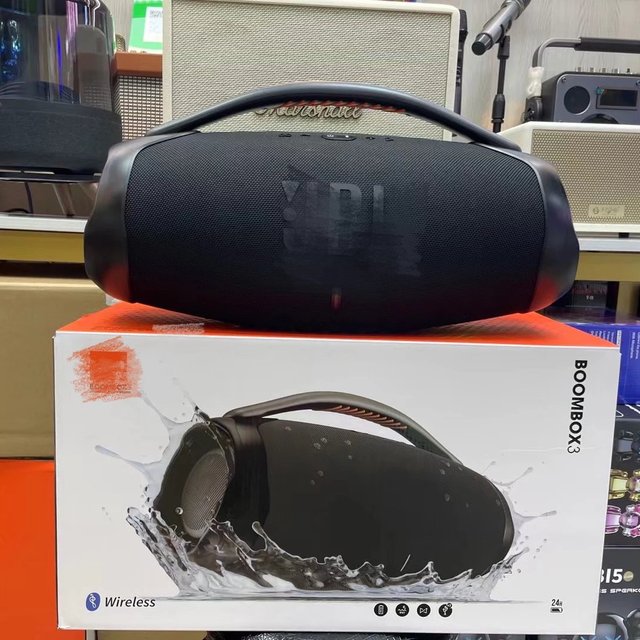 Electronics
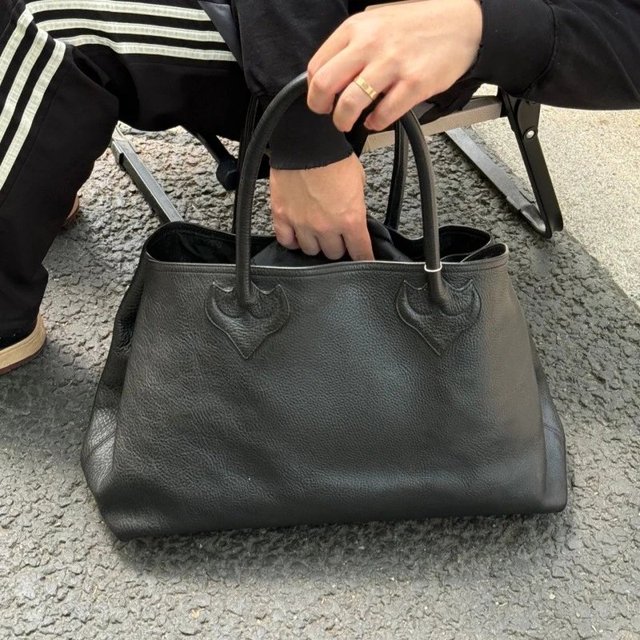 Bags
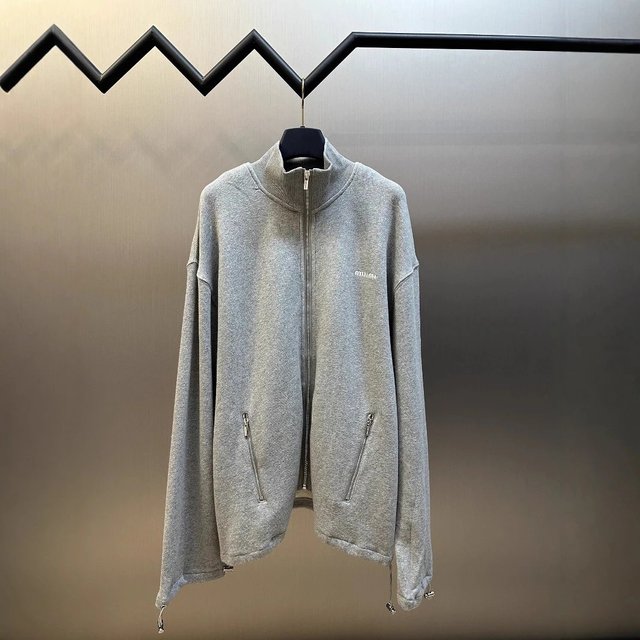 Jackets & Coats
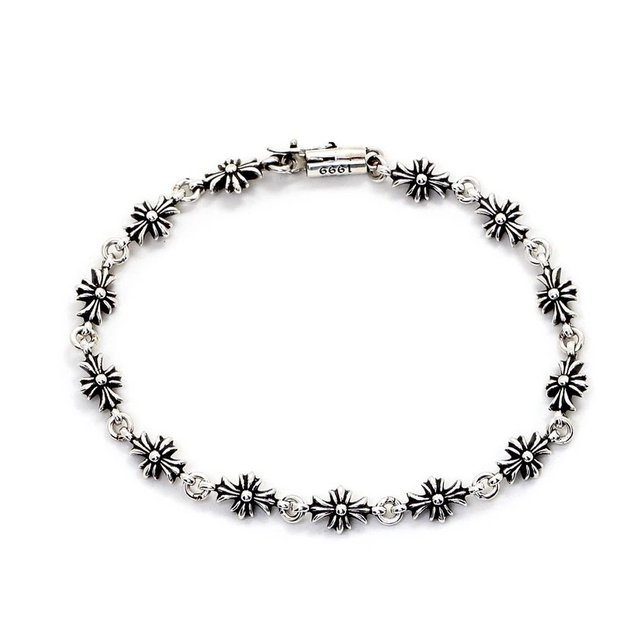 Jewellery
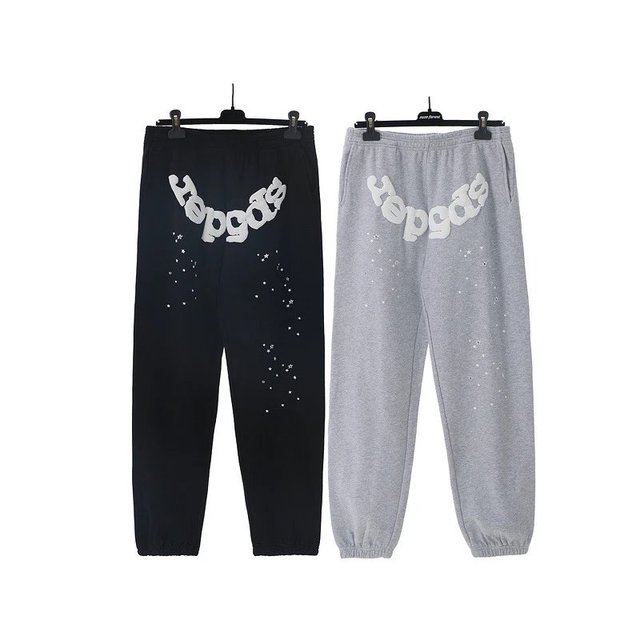 Sweatpants
 Womenswear
All sixteen shelves, with the same read-before-you-submit notes
Find the Tomebuy help topic that matches your order
Start with what you can see: a status word belongs in Signals, an unexpected charge in Fees, a received item in QC, and a storage deadline in Storage and returns. The product catalogue helps you find listings; Tomebuy is the agent that purchases and fulfils them. This reference cannot inspect your account or decide a claim.
New to Tomebuy? Open the Guide first. Already mid-order and stuck on a word? Jump straight to Signals. Two things Tomebuy says that do not match are usually already written down here, not a slip on your end.
The order route, from account to delivery
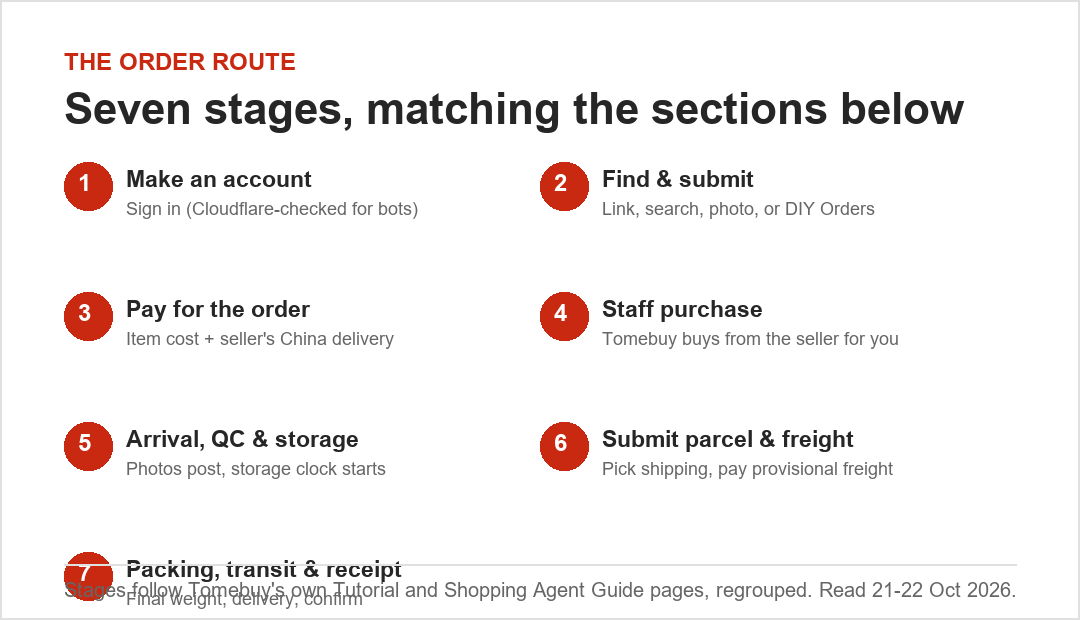
Tomebuy’s nine-step purchase tutorial is available through the official guide linked on our order route. This site groups the process into seven stages. At warehouse arrival, check the received option and QC images before selecting goods for a parcel; item payment and international freight are separate decisions.
Read the route for account setup, product submission, purchasing, warehouse inspection, parcel submission, shipping and delivery. It links the available official instructions and marks account-screen images we still lack. A written guide can explain an action even when your own account is needed to see the current screen.
Read the order route in fullThree calculators built from Tomebuy's own examples
Where Tomebuy's own pages disagree
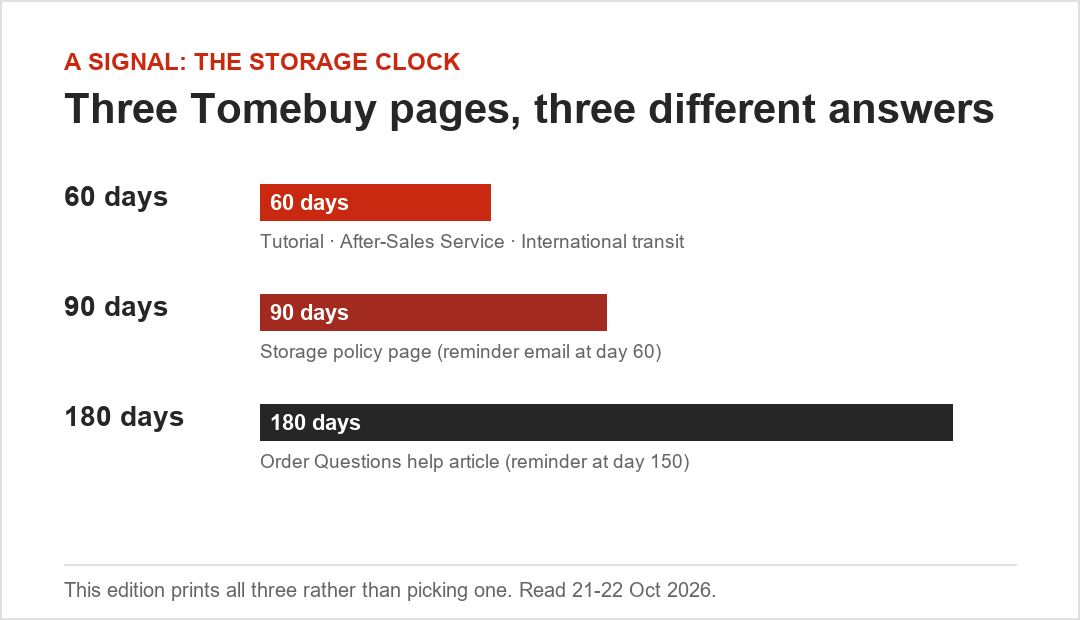
Tomebuy is a young operation. Its policy pages read as if they were assembled from more than one template, and in at least two places the result is a straight contradiction rather than a rounding difference. Free storage is 60 days on one page, 90 on another, and 180 on a third. Free inspection photos are “3 to 5” in one place and “5 to 7” in another. This edition prints every version it found, with the page it came from, instead of guessing which one is current.
The storage conflict in fullThe QC photo-count conflict
Three starting points for this edition
First order on the way
Work through the seven stages in order rather than skipping to the end. Nearly every question a newcomer brings here, whatever it sounds like on the surface, turns out to trace back to stage five, the point where the warehouse takes over.
Something in your account looks stuck
Open Signals and match the exact wording on screen to an entry there. The word itself usually gives away who is currently responsible: you, Tomebuy's buyers, the seller, or the warehouse floor.
Still weighing Tomebuy against another option
Three sections carry more weight than the rest: how inspection is scoped, how the storage clock behaves, and how the return window is drawn. What Tomebuy is, and when it suits you walks through all three without avoiding the parts that cut against Tomebuy.
What's on this site, in one list
Eight sections cover the whole order, start to finish: the product catalogue itself, the order route, a glossary for the words you will meet along the way, fees and the exchange rate, shipping, consolidation and customs, what inspection covers, storage and returns, and a set of calculators built from Tomebuy's own published numbers. Everything else, what Tomebuy is, how it compares, how to pick a listing, and this edition's own method, sits in the footer rather than the main menu, but is written with the same rule: a source and a date behind every claim.